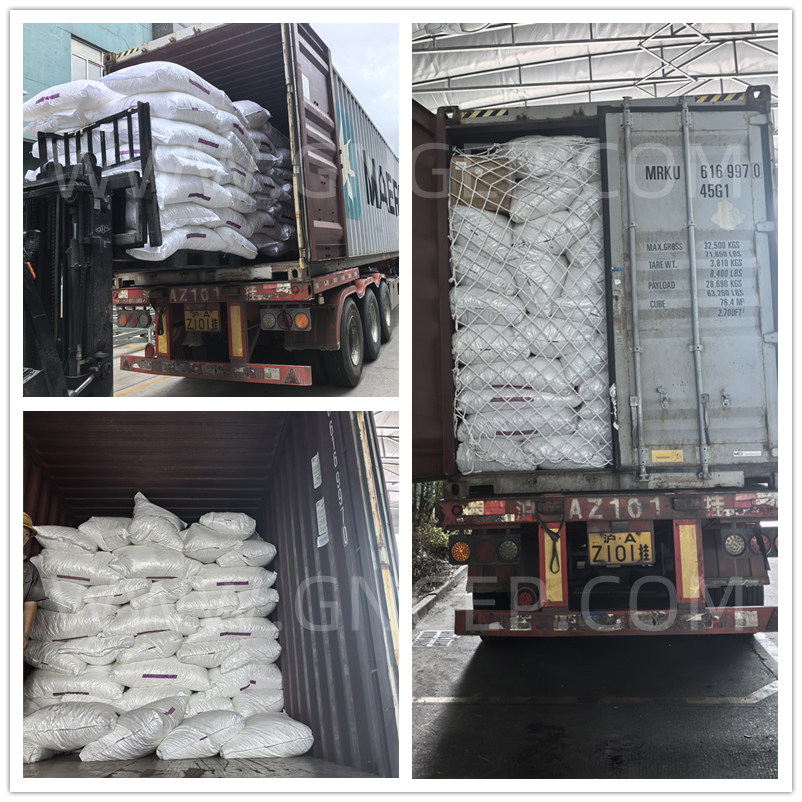
Today hundreds cube meters of MBBR Media were delivered to Philippines.
With the increasingly severe global water shortage problem, sewage treatment technology is constantly innovating and developing. As a core component of biofilm wastewater treatment technology, mbbr filter media play an irreplaceable role in improving treatment efficiency and reducing operating costs. This article will systematically introduce the working principle, main types, application status, and future development trends of biological fillers.
Biological fillers (k1 media,k3 meida,k5 media)provide a carrier surface for microorganisms to attach and grow, forming a stable biofilm system. When sewage flows through the packing material, pollutants are adsorbed and degraded by the biofilm, thereby achieving water purification. Its core mechanism includes:
Physical adsorption: The pores on the surface of the filler adsorb suspended solids and colloidal substances
Biodegradation: attached microorganisms decompose organic pollutants
Mass transfer enhancement: cutting bubbles to improve dissolved oxygen utilization efficiency
The required range of indicators is important, with a specific surface area of 13.6-25.5 m ²/kg, which determines the amount of microbial attachment. The porosity of about 40% affects water flow resistance and mass transfer efficiency. Hydrophilic surfaces with positive charges promote microbial fixation, mechanical strength, compressive strength ≥ 5.78 MPa, ensuring long-term operational stability, chemical stability, acid and alkali resistance, and adaptability to different water quality environments.
MBBR suspended packing adopts a hollow structure, with anaerobic and aerobic bacteria growing inside and outside respectively. It can move freely in the reactor without dead corners, making it particularly suitable for sewage treatment and fluidized bed processes.
The application of biological fillers in urban sewage treatment plants is very mature, which can effectively remove pollutants such as COD, BOD, and ammonia nitrogen, and the effluent quality is stable and meets the standard.