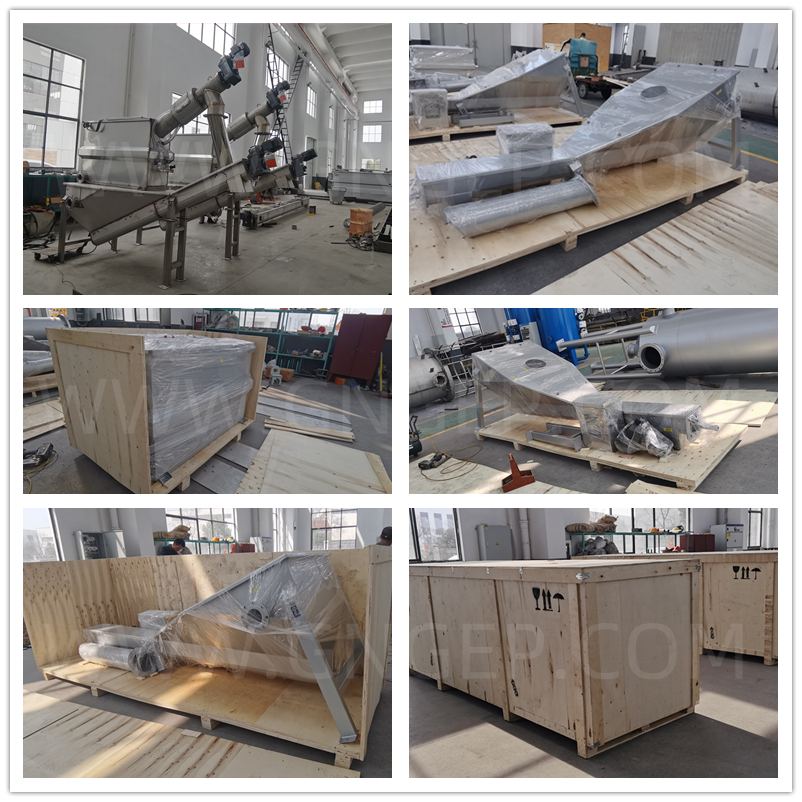
Compact Pretreatment Machine is an automated device that integrates multiple functional modules, mainly used for automated pre-processing processes of samples or media (such as data acquisition, physical/chemical processing, pollutant separation, etc.), to improve efficiency and reduce manual intervention. According to different application fields, their functions and technical characteristics vary. The main classifications and features are as follows:
1.Core functions and integration technology
Data preprocessing (in the field of healthcare)
Data collection: Real time acquisition of physiological parameters through optical, pressure, bioelectric and other sensors.
Cleaning and conversion: removing outliers (Z-score statistical method), filling missing values (mean/model prediction), data normalization and discretization.
Secure transmission: format conversion (compatible with HL7/DICOM standards), encrypted transmission (SSL/TLS protocol).
Sample physical and chemical processing (laboratory testing field)
Multi functional integration: supports operations such as microwave digestion, liquid-liquid extraction, solid-phase extraction, and cell lysis.
Automated process: QuEChERS all-in-one machine can automatically complete steps such as oscillation, homogenization, concentration, etc., suitable for food safety and environmental pollutant detection.
Portable design: Some devices (such as QC05 model) integrate functions such as centrifugation, mixing, and constant temperature water bath, making it easy to process quickly on site.
Medium purification treatment (in the field of environmental protection)
Wastewater treatment:
Pre treatment stage: The grid intercepts large suspended particles and regulates the homogenization and balance of water quality in the tank.
Core processing: MBR membrane technology combines biodegradation (anaerobic aerobic process) with membrane separation to efficiently remove organic matter and pathogens.
Deep disinfection: Chlorine dioxide/ultraviolet light kills residual microorganisms.
Waste gas/solid waste treatment:
Household waste sorting: Eddy current sorting machine separates non-ferrous metals (such as aluminum cans and copper parts), supporting the combination of "magnetic separation+eddy current" process to improve recovery rate.
Laboratory wastewater treatment: discharge in compliance with standards through processes such as microelectrolysis, flocculation, and heavy metal capture.